
A bowl worth the wait
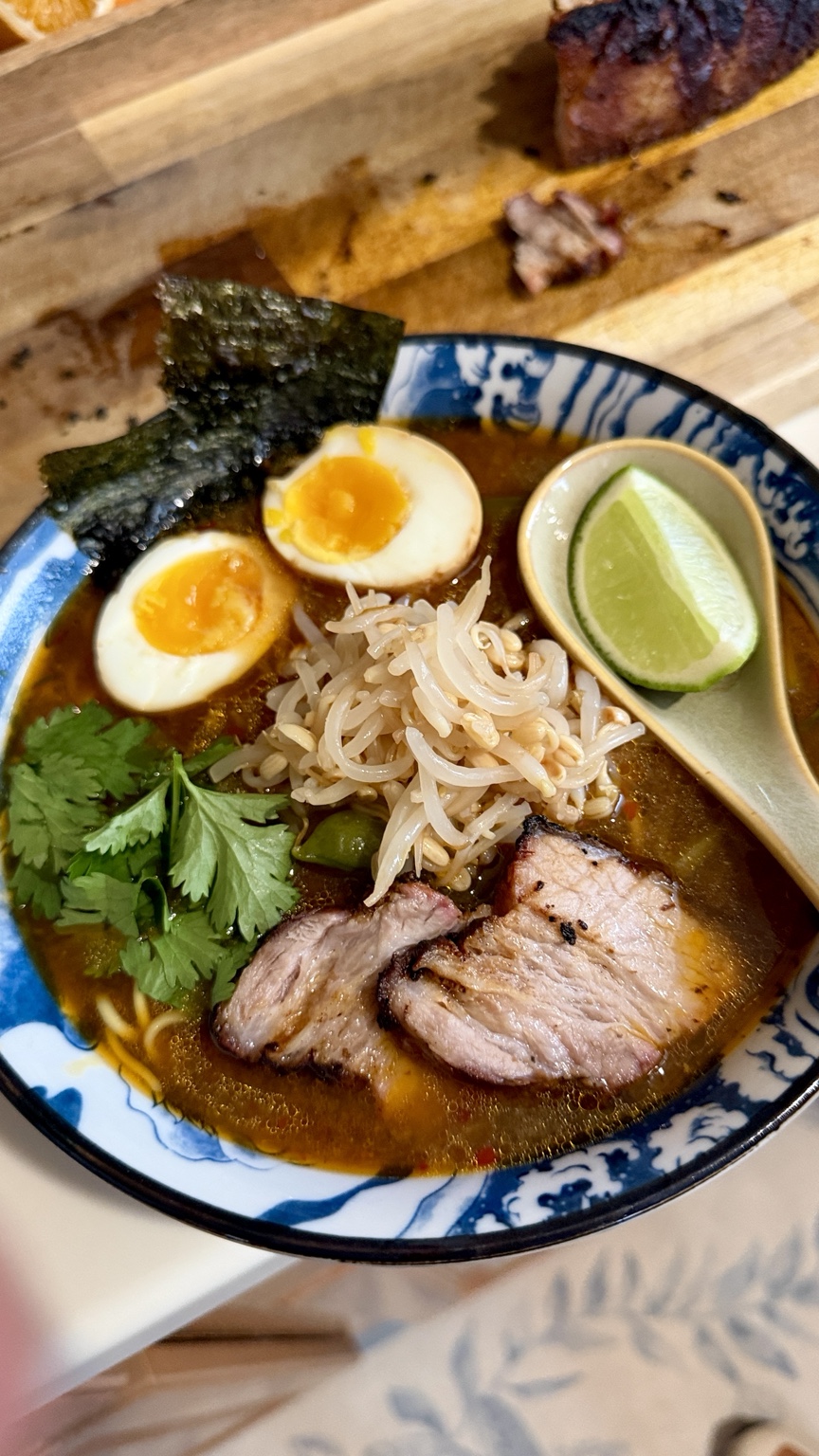
Roasted pork & miso ramen
Rich broth, roasted pork, crisp vegetables, and jammy eggs.
- Prep time
- 25 min
- Cook time
- 3 hr 45 min
- Total time
- 4 hours 10 minutes
- Serves
- 6 servings
About 25 minutes prep and 3 hours 45 minutes cooking. Broth simmering, pork roasting, and egg marinating overlap; follow the temperature and doneness cues.
Your kitchen companion
Let’s make something good.
One original batch makes 6 generous bowls. Quantities scale with servings; roasting times depend on the thickness of the pork. Keep the original temperatures and use the recipe’s doneness cues.
Make it yours. These are the ingredients and brands I like. Similar products are welcome. Open “What to buy & easy swaps” for help choosing.
Ready for the grocery aisle
Your shopping list
Tap each ingredient as you shop. Pantry staples count, too.
Your checks are saved on this device.
Pork broth
What to buy & easy swaps
From a cooked roast / meat counter
Cooked leftover bones if the recipe says cooked; raw stock bones if it says raw.
Make it yours: Match the cooked or raw starting point in the method. Keep picked meat separate from bones.
What to buy & easy swaps
Soup / stock aisle
Boxed or canned broth in the flavor named above. Low-sodium gives you more control over salt.
Shopping guide: 2 × 32-fl-oz carton covers the measured amount. Other pack sizes work, too.
Make it yours: A similar broth works. Bouillon mixed with water according to its label is another option; taste before adding salt.
What to buy & easy swaps
From the tap
Use drinking water; measure the amount and temperature named above.
Make it yours: Use the cold or warm water called for in the step.
What to buy & easy swaps
Produce aisle
Fresh produce in the size or weight listed. Ready-chopped versions can save prep.
Make it yours: Similar vegetables can work, but cut them to the stated size and check tenderness; different vegetables cook at different speeds.
What to buy & easy swaps
Produce aisle
Fresh produce in the size or weight listed. Ready-chopped versions can save prep.
Make it yours: Similar vegetables can work, but cut them to the stated size and check tenderness; different vegetables cook at different speeds.
What to buy & easy swaps
Produce aisle
Fresh produce in the size or weight listed. Ready-chopped versions can save prep.
Make it yours: Similar vegetables can work, but cut them to the stated size and check tenderness; different vegetables cook at different speeds.
What to buy & easy swaps
Spice aisle
The spice or blend listed above; read the salt and heat notes on the jar.
From my kitchen: Badia is my everyday spice pick; Spiceology is a flavor splurge.
Make it yours: A similar blend works. Start with less if it is salty or very hot, then taste.
What to buy & easy swaps
Produce aisle
Fresh produce in the size or weight listed. Ready-chopped versions can save prep.
Make it yours: Similar vegetables can work, but cut them to the stated size and check tenderness; different vegetables cook at different speeds.
What to buy & easy swaps
International foods / refrigerated tofu
Miso paste in a tub or pouch, not a ready-made soup packet.
Make it yours: Another mild miso paste works; flavors and salt levels differ, so taste.
What to buy & easy swaps
International foods / condiments
The soy sauce or tamari named above.
From my kitchen: Kikkoman light soy sauce is a fridge staple.
Make it yours: A similar soy sauce or tamari can work; salt levels vary, so taste before adding more.
What to buy & easy swaps
Spice aisle
The spice or blend listed above; read the salt and heat notes on the jar.
From my kitchen: Badia is my everyday spice pick; Spiceology is a flavor splurge.
Make it yours: A similar blend works. Start with less if it is salty or very hot, then taste.
Roasted tenderloins
What to buy & easy swaps
Meat case
The raw cut, bone-in or boneless as written above.
Make it yours: A similar-size cut needs its own doneness check. Cooked meat is a different starting point.
What to buy & easy swaps
International foods / refrigerated tofu
Miso paste in a tub or pouch, not a ready-made soup packet.
Make it yours: Another mild miso paste works; flavors and salt levels differ, so taste.
What to buy & easy swaps
International foods / condiments
The soy sauce or tamari named above.
From my kitchen: Kikkoman light soy sauce is a fridge staple.
Make it yours: A similar soy sauce or tamari can work; salt levels vary, so taste before adding more.
What to buy & easy swaps
Cooking oil aisle
The oil type written above. A neutral oil has little flavor.
From my kitchen: Grizzly olive oil is one of my cooking picks.
Make it yours: A similar cooking oil works. A strongly flavored oil will change the finished dish.
What to buy & easy swaps
Spice aisle
The spice or blend listed above; read the salt and heat notes on the jar.
From my kitchen: Badia is my everyday spice pick; Spiceology is a flavor splurge.
Make it yours: A similar blend works. Start with less if it is salty or very hot, then taste.
What to buy & easy swaps
Spice aisle
The spice or blend listed above; read the salt and heat notes on the jar.
From my kitchen: Badia is my everyday spice pick; Spiceology is a flavor splurge.
Make it yours: A similar blend works. Start with less if it is salty or very hot, then taste.
What to buy & easy swaps
Spice aisle
Ground black pepper and the salt type listed above.
From my kitchen: Badia ground black pepper is my favorite; kosher salt is an everyday staple.
Make it yours: A similar ground pepper works. Salt grain sizes vary, so add a little and taste.
Roasted pork belly
What to buy & easy swaps
Meat case
The raw cut, bone-in or boneless as written above.
Make it yours: A similar-size cut needs its own doneness check. Cooked meat is a different starting point.
What to buy & easy swaps
Spice aisle
The salt type named above.
From my kitchen: Kosher salt is an everyday staple in my kitchen.
Make it yours: A similar salt works; crystal sizes differ, so season gradually.
What to buy & easy swaps
Spice aisle
The spice or blend listed above; read the salt and heat notes on the jar.
From my kitchen: Badia is my everyday spice pick; Spiceology is a flavor splurge.
Make it yours: A similar blend works. Start with less if it is salty or very hot, then taste.
What to buy & easy swaps
Spice aisle
Ground black pepper and the salt type listed above.
From my kitchen: Badia ground black pepper is my favorite; kosher salt is an everyday staple.
Make it yours: A similar ground pepper works. Salt grain sizes vary, so add a little and taste.
What to buy & easy swaps
From the tap
Use drinking water; measure the amount and temperature named above.
Make it yours: Use the cold or warm water called for in the step.
What to buy & easy swaps
International foods / condiments
The soy sauce or tamari named above.
From my kitchen: Kikkoman light soy sauce is a fridge staple.
Make it yours: A similar soy sauce or tamari can work; salt levels vary, so taste before adding more.
What to buy & easy swaps
International foods / refrigerated tofu
Miso paste in a tub or pouch, not a ready-made soup packet.
Make it yours: Another mild miso paste works; flavors and salt levels differ, so taste.
What to buy & easy swaps
From the tap
Use drinking water; measure the amount and temperature named above.
Make it yours: Use the cold or warm water called for in the step.
Jammy eggs
What to buy & easy swaps
Egg case
Large eggs in a carton.
From my kitchen: Trader Joe’s heirloom eggs are a fridge favorite.
Make it yours: Any large eggs work in the stated amount.
What to buy & easy swaps
International foods / condiments
The soy sauce or tamari named above.
From my kitchen: Kikkoman light soy sauce is a fridge staple.
Make it yours: A similar soy sauce or tamari can work; salt levels vary, so taste before adding more.
What to buy & easy swaps
From the tap
Use drinking water; measure the amount and temperature named above.
Make it yours: Use the cold or warm water called for in the step.
Noodles and toppings
What to buy & easy swaps
International foods / pasta
Dry noodles with a cooking time printed on the pack.
Make it yours: Similar quick-cooking noodles work; follow their time and check for tenderness.
What to buy & easy swaps
Produce aisle
Fresh produce in the size or weight listed. Ready-chopped versions can save prep.
Make it yours: Similar vegetables can work, but cut them to the stated size and check tenderness; different vegetables cook at different speeds.
What to buy & easy swaps
Produce aisle
Fresh produce in the size or weight listed. Ready-chopped versions can save prep.
Make it yours: Similar vegetables can work, but cut them to the stated size and check tenderness; different vegetables cook at different speeds.
What to buy & easy swaps
Produce aisle
Fresh produce in the size or weight listed. Ready-chopped versions can save prep.
Make it yours: Similar vegetables can work, but cut them to the stated size and check tenderness; different vegetables cook at different speeds.
What to buy & easy swaps
Produce aisle
Fresh produce in the size or weight listed. Ready-chopped versions can save prep.
Make it yours: Similar vegetables can work, but cut them to the stated size and check tenderness; different vegetables cook at different speeds.
What to buy & easy swaps
Produce aisle
Fresh produce in the size or weight listed. Ready-chopped versions can save prep.
Make it yours: Similar vegetables can work, but cut them to the stated size and check tenderness; different vegetables cook at different speeds.
What to buy & easy swaps
Cooking oil aisle
The oil type written above. A neutral oil has little flavor.
From my kitchen: Grizzly olive oil is one of my cooking picks.
Make it yours: A similar cooking oil works. A strongly flavored oil will change the finished dish.
What to buy & easy swaps
International foods / condiments
The soy sauce or tamari named above.
From my kitchen: Kikkoman light soy sauce is a fridge staple.
Make it yours: A similar soy sauce or tamari can work; salt levels vary, so taste before adding more.
What to buy & easy swaps
Soup / stock aisle
Boxed or canned broth in the flavor named above. Low-sodium gives you more control over salt.
Make it yours: A similar broth works. Bouillon mixed with water according to its label is another option; taste before adding salt.
What to buy & easy swaps
International foods
Dried nori seaweed sheets.
Make it yours: Similar plain nori works. Cut into strips with clean kitchen scissors.
What to buy & easy swaps
Produce aisle
Fresh produce in the size or weight listed. Ready-chopped versions can save prep.
Make it yours: Similar vegetables can work, but cut them to the stated size and check tenderness; different vegetables cook at different speeds.
What to buy & easy swaps
Produce / fresh herb section
Fresh herbs when the ingredient says fresh; dried herbs are in the spice aisle.
Make it yours: Similar fresh herbs can change the flavor pleasantly. Dried herbs are stronger, so start with less.
What to buy & easy swaps
Produce aisle
A fresh lemon or lime, as listed.
Make it yours: A similar fresh citrus can work if you enjoy the flavor. Start with less juice and taste.
One delicious step at a time
In the kitchen
A ship’s bell, with a nod to the Navy. Two strikes repeat every six seconds until you tap “Silence bell.” Keep this page open for sound; elapsed time is remembered when you return.
Roast the bones
Heat the oven to 425°F. Spread 3–4 lb pork neck bones on a rimmed roasting pan. Roast for 35–45 minutes, turning once, until browned. Transfer them to a large stockpot. Pour some of the measured 6 cups water into the roasting pan, scrape up the browned bits, and add that liquid to the pot.
Build the broth
Add 8 cups chicken broth, the rest of 6 cups water, 1 onion, 2 celery stalks, 1 cup carrots, and 1 tsp garlic powder or 6 fresh garlic cloves. Add the optional 2-inch piece of ginger if available. The bones should be covered; add water if needed. Bring to a boil, skim off foam, then partially cover and simmer gently for 2.5–3 hours. Add hot water as needed to keep the bones submerged. Strain through a fine-mesh sieve without pressing on the solids. Discard the bones and spent vegetables. Skim excess fat, leaving a little for richness. Measure the strained broth and use water to bring it to about 12 cups; if you have considerably more, reserve the extra. Do not reduce already-salty broth aggressively. Leave the broth unseasoned until the finishing step.
Slow-roast the belly while the stock simmers
Reduce the oven to 325°F. Pat 1–1½ lb pork belly dry. Score only the skin or upper fat layer shallowly, without cutting into the meat. Season with ½ tsp Morton kosher salt, 1 tsp garlic powder, and ½ tsp black pepper. Set it skin or fat side up on a rack over a small roasting pan with ½ cup water underneath; the pork should sit above the liquid. Roast for about 2–2.5 hours, until a skewer enters the meat easily and the center is roughly 190–200°F. Thickness matters more than weight. Add a little water to the pan if the drippings start to scorch, and loosely tent with foil if the surface darkens early. Keep the belly in its slab until the final roast and resting step.
Make the eggs early
Bring a separate saucepan of water to a gentle boil. Lower in 6 cold eggs and cook for 7 minutes for jammy yolks. Transfer immediately to an ice bath for 10 minutes, then peel. Mix ½ cup Umami Tamari Splash with ¼ cup water. Put the eggs and marinade in a small zip-top bag or snug container and refrigerate for 1–3 hours, turning once. Discard the used egg marinade after removing the eggs.
Finish the belly and roast the tenderloins
Once the belly is tender, raise the oven to 425°F. Mix 1 tbsp miso, 2 tbsp Umami Tamari Splash, 1 tbsp oil, 1 tsp garlic powder, ½ tsp onion powder, and ½ tsp black pepper. Pat 2 tenderloins (about 2–2½ lb total) dry, remove silver skin, and spread this mixture over them in a thin coating. Place them on their own lined, rimmed pan. Roast for about 20–30 minutes, checking from 18 minutes, until the thickest part of each reaches 145°F. If the coating darkens before the center is done, tent loosely with foil. Rest for 10 minutes before slicing across the grain into 1/4-inch slices.
While the tenderloins roast, return the tender belly to the oven for 15–20 minutes to brown. Mix the belly glaze: 2 tbsp Umami Tamari Splash, 1 tsp miso, and 1 tbsp water. Brush it over the meat side and edges during the last 5 minutes; leave any crisp skin unglazed. Watch closely to prevent burning. Rest the belly for 10–15 minutes, then slice 1/4–1/2 inch thick. For extra browned edges, sear the rested slices in a hot skillet for 30–60 seconds per side immediately before serving.
Cook the vegetables
Heat 2 tbsp oil or rendered belly fat in a wide skillet. Brown 16 oz mushrooms in batches for 6–8 minutes total rather than crowding the pan. Return them all to the skillet. Add ½ cup thinly sliced carrots, 10 oz bok choy, and 2–3 tbsp broth; cover for 2–3 minutes. Uncover, add 8 oz snow peas and 2 cups bean sprouts, and stir-fry until hot and cooked through, about 2–3 minutes, keeping the vegetables bright and tender-crisp. Finish with 1 tbsp Umami Tamari Splash. You may substitute 1 tbsp savory vegetable stir-fry sauce.
Season the broth at the end
Reheat the strained broth until steaming, then lower the heat. Whisk ¼ cup dashi miso with a ladleful of hot broth until smooth and stir it into the pot. Add 2 tbsp Umami Tamari Splash. Taste. Add more miso, 1 tbsp at a time up to ½ cup total, and more Splash up to 4 tbsp total, only if needed. Add the optional ½ tsp gochugaru or crushed red pepper if desired. Keep the broth steaming without a vigorous boil after adding miso.
Cook the noodles separately
Cook 18–24 oz chuka soba according to the package directions in a separate pot of water. Drain well and divide among 6 large bowls. Cook only the servings needed now if planning leftovers.
Add the tenderloin and build the bowls
Add the freshly roasted tenderloin slices to the steaming broth for only 30–60 seconds, just to warm them through. Do not simmer them for several minutes. Divide the tenderloin and about 2 cups broth among the noodle bowls. Add the mushrooms and vegetables, then place the sliced roasted pork belly on top immediately before serving. Halve the eggs and add one egg to each bowl. Finish with 2–3 nori sheets, ½ cup cilantro, and 1 serrano pepper to taste. Serve 2 limes cut into wedges alongside for a small squeeze at the table.
Made to be shared
Look what you made.
Pull up a chair. You’ve earned this.
A few kitchen notes
The original batch assumes two tenderloins totaling about 2–2.5 lb and a pork belly slab weighing about 1–1.5 lb. Check your package weights; larger or thicker belly can require longer roasting. Allow roughly 4–4.5 hours overall, with the stock, belly, and egg marinade running at the same time.
Suggested order: Roast bones first. Start the stock and slow-roast the belly together. Boil and marinate eggs during the simmer. About 30–40 minutes before serving, finish the belly, roast the tenderloins, and cook the vegetables. Strain and season stock, cook noodles, warm tenderloin slices, and assemble.
The Umami Tamari Splash used here is a sweetened seasoning sauce, not plain tamari. This recipe does not need extra sugar, maple syrup, or honey. The purchased chicken broth and dashi miso may already be salty, so season the broth gradually and avoid adding bouillon or extra salt before tasting. If substituting plain tamari or soy sauce, start with half the Splash amounts and adjust to taste.
If skin-on belly does not develop crisp skin, enjoy it with browned edges; tender meat is the priority for ramen. Optional ginger improves the broth, but the recipe works without it.
Refrigerate cooled leftovers promptly, keeping noodles, belly, eggs, and broth separate. Add freshly sliced roasted tenderloin only to the broth portion you are serving. For refrigerated leftover pork, reheat to 165°F.
A little help with dinner
Get my free guide: 5 Weeknight Dinners Dad Can Nail.
Good food. Less guesswork. Get five dinners for your weeknight rotation. See what’s inside →
While you’re here
Something else for the table.
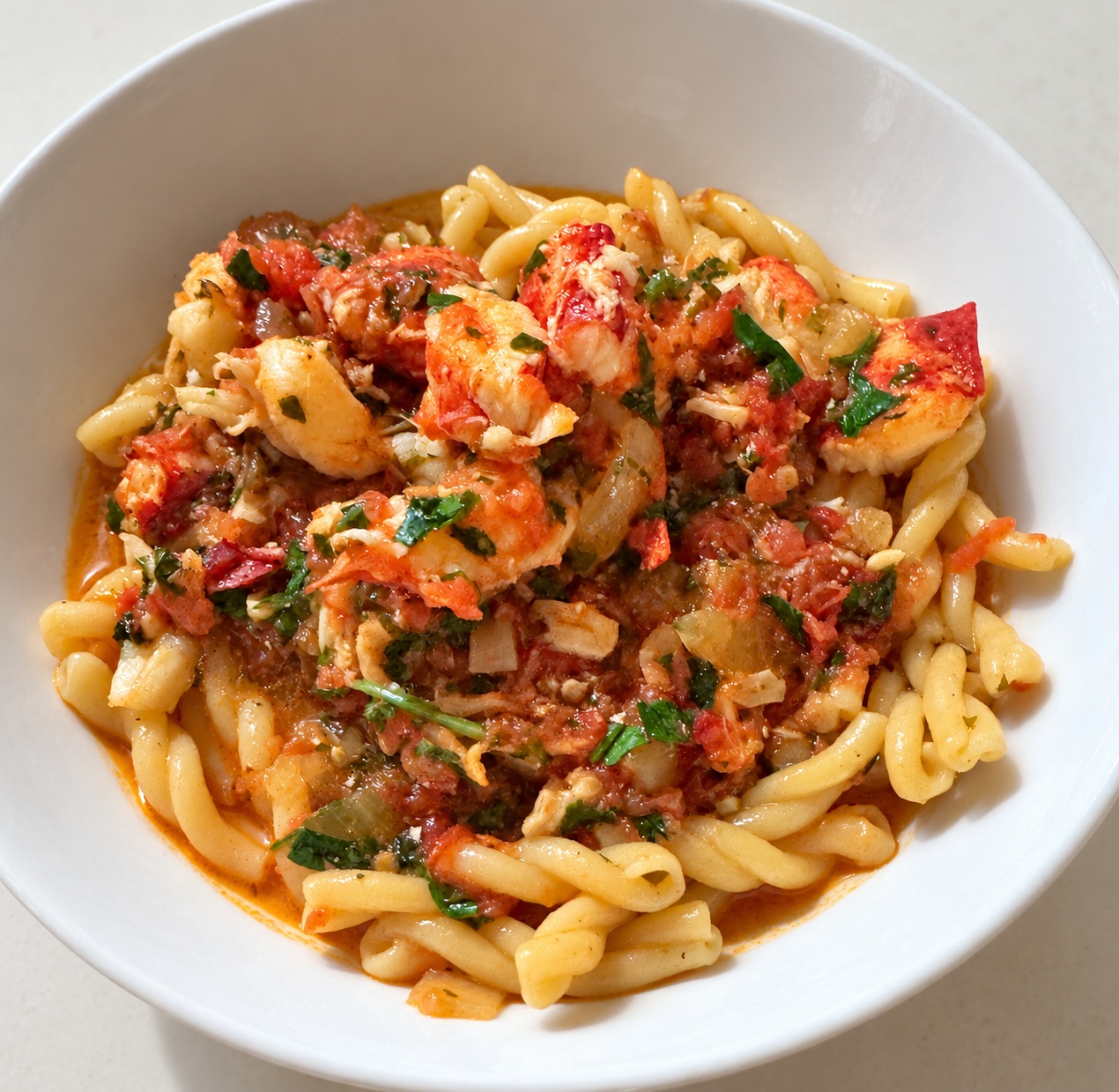 Heirloom tomato lobster Diavolo
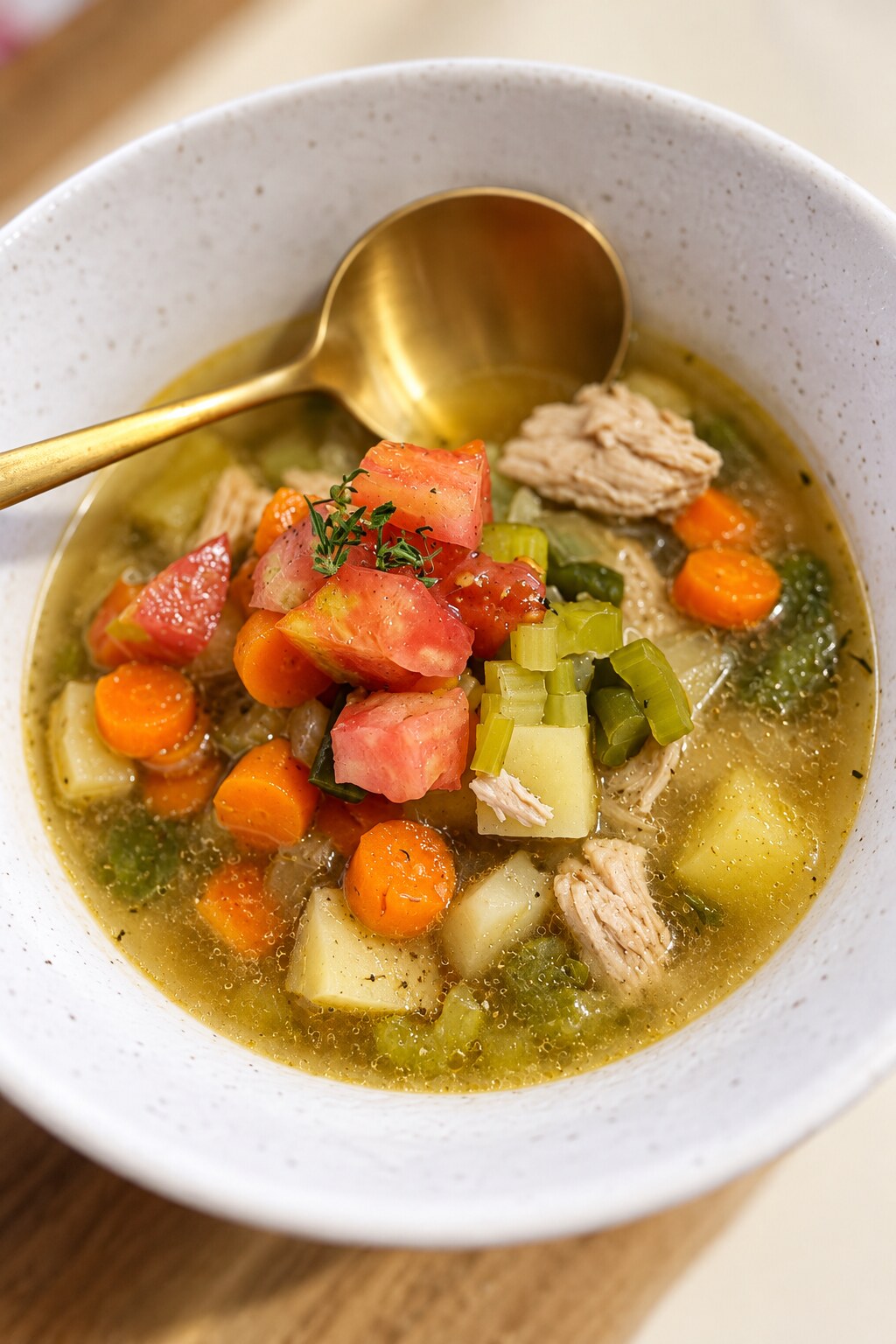 Leftover turkey & vegetable soup
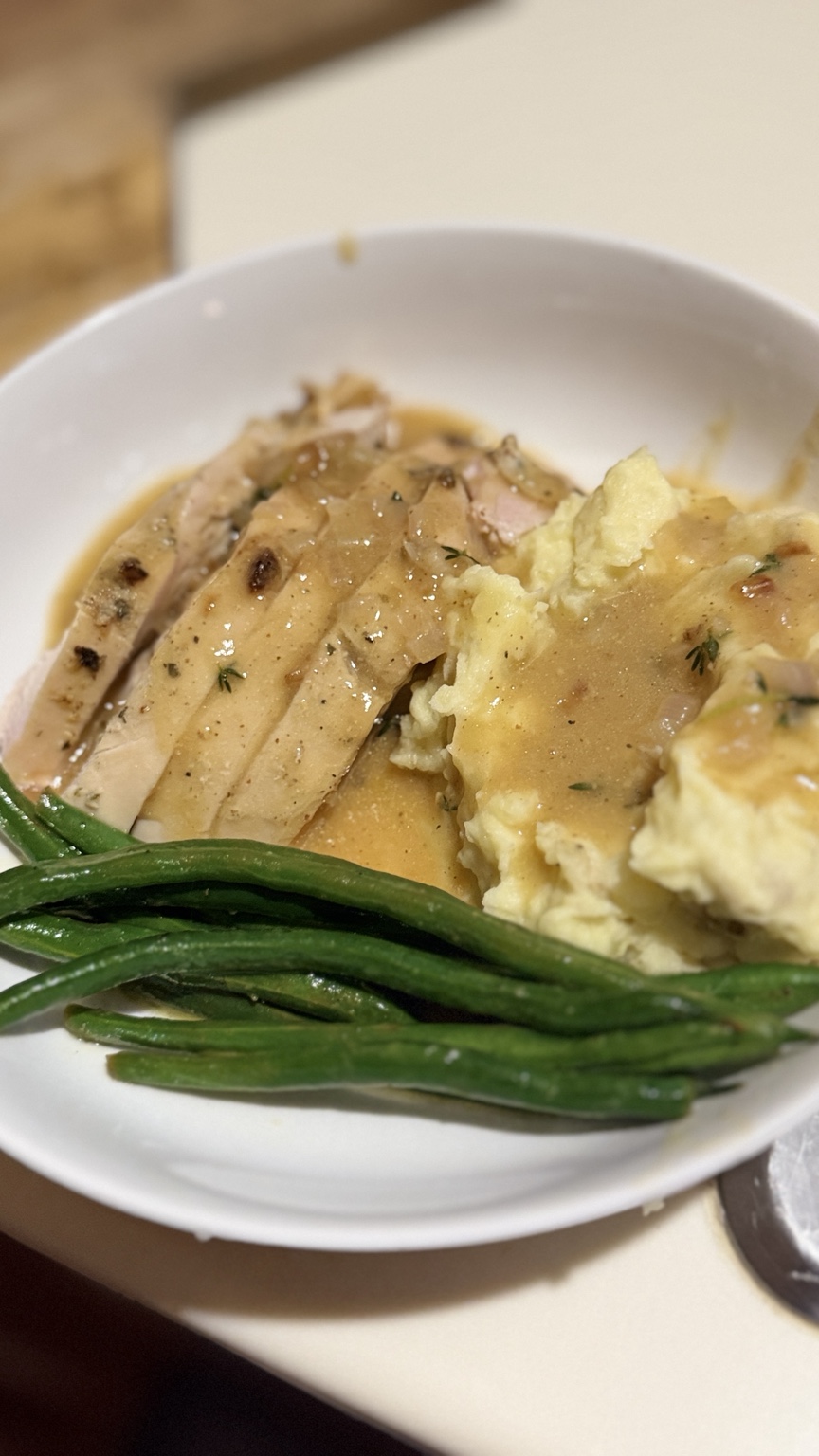 Garlic-herb turkey & shallot-Dijon gravy
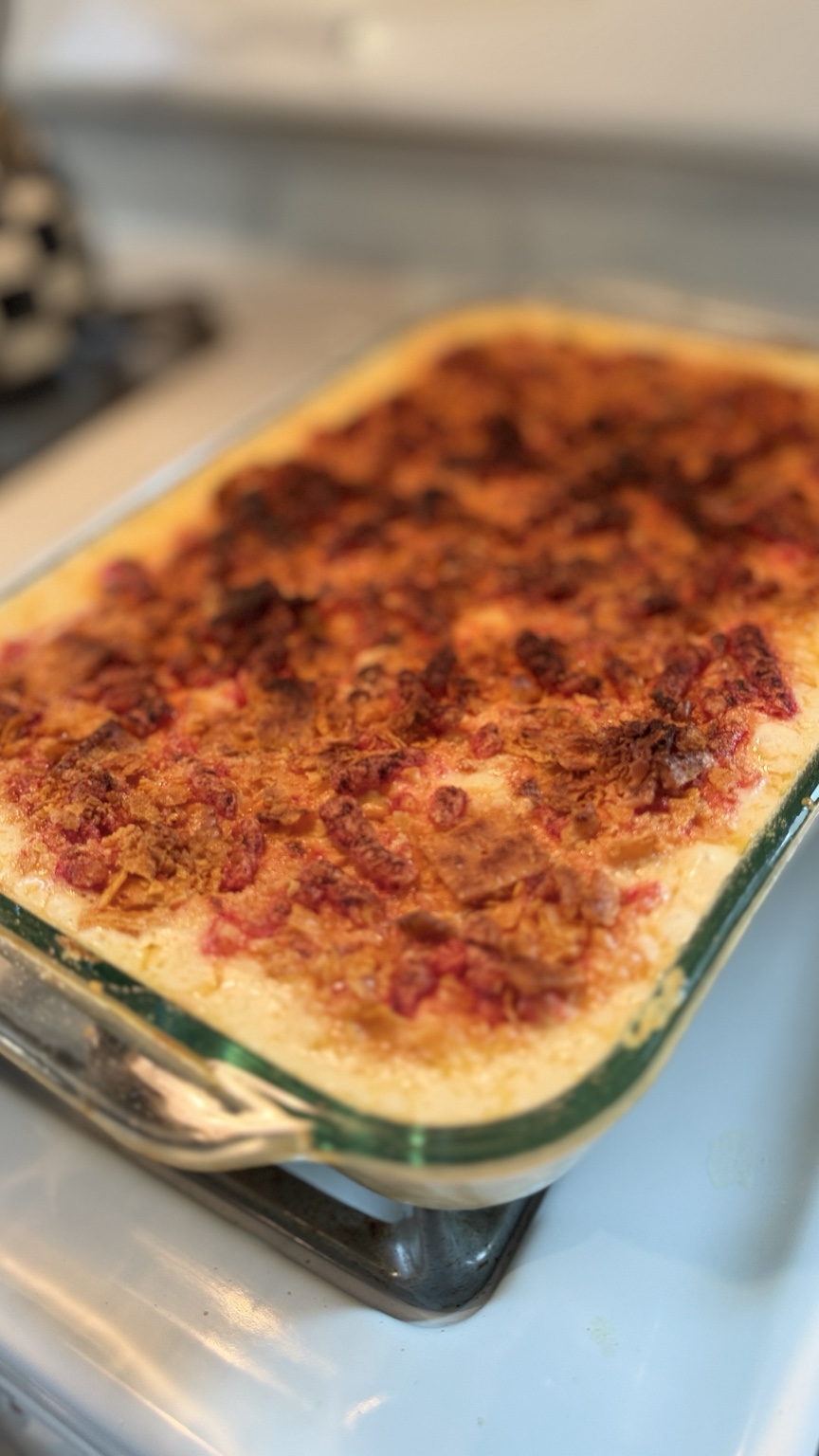 Creamy three-cheese mac & cheese Spicy cracker variation pictured
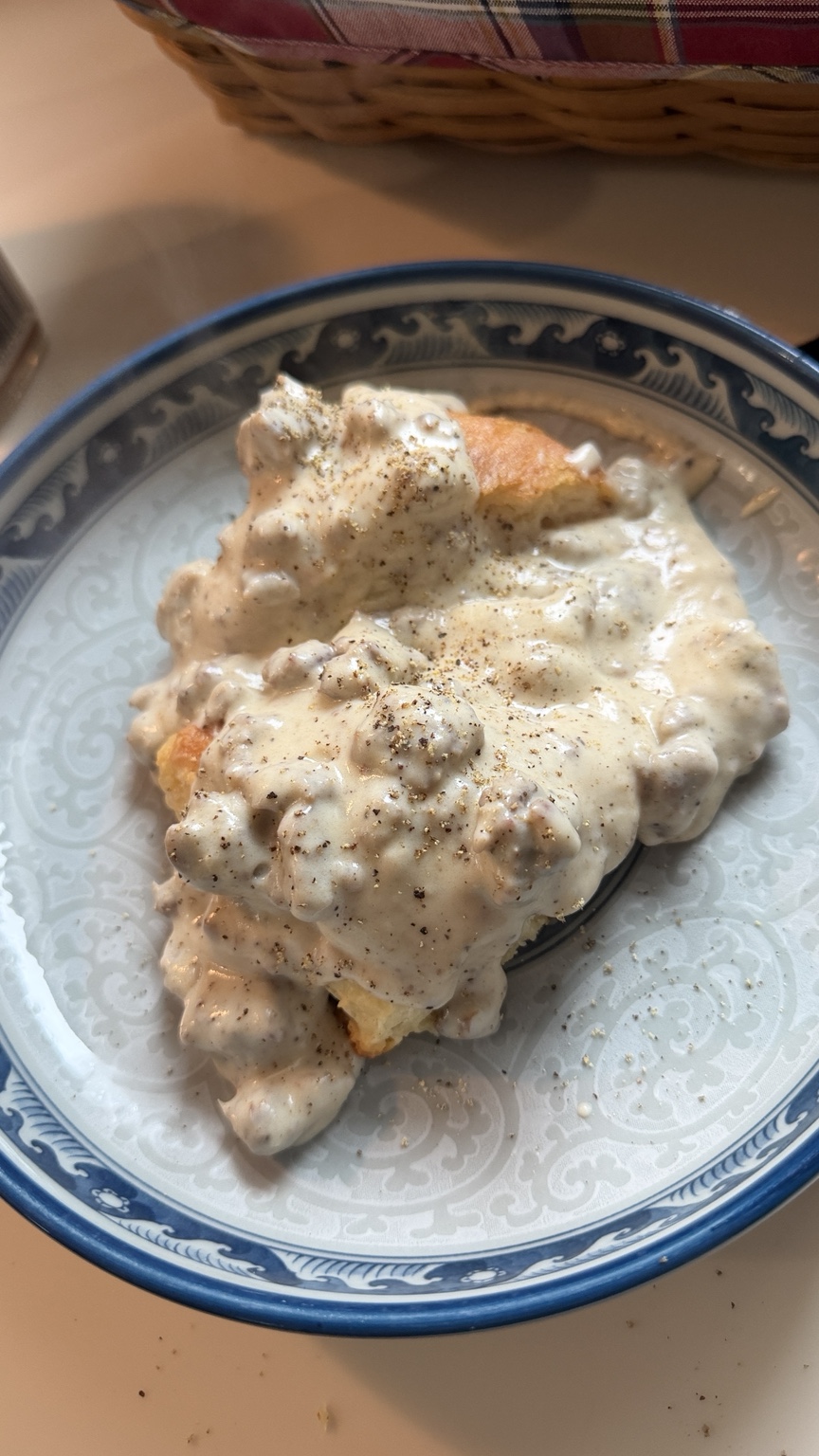 Buttermilk biscuits & spicy sausage gravy
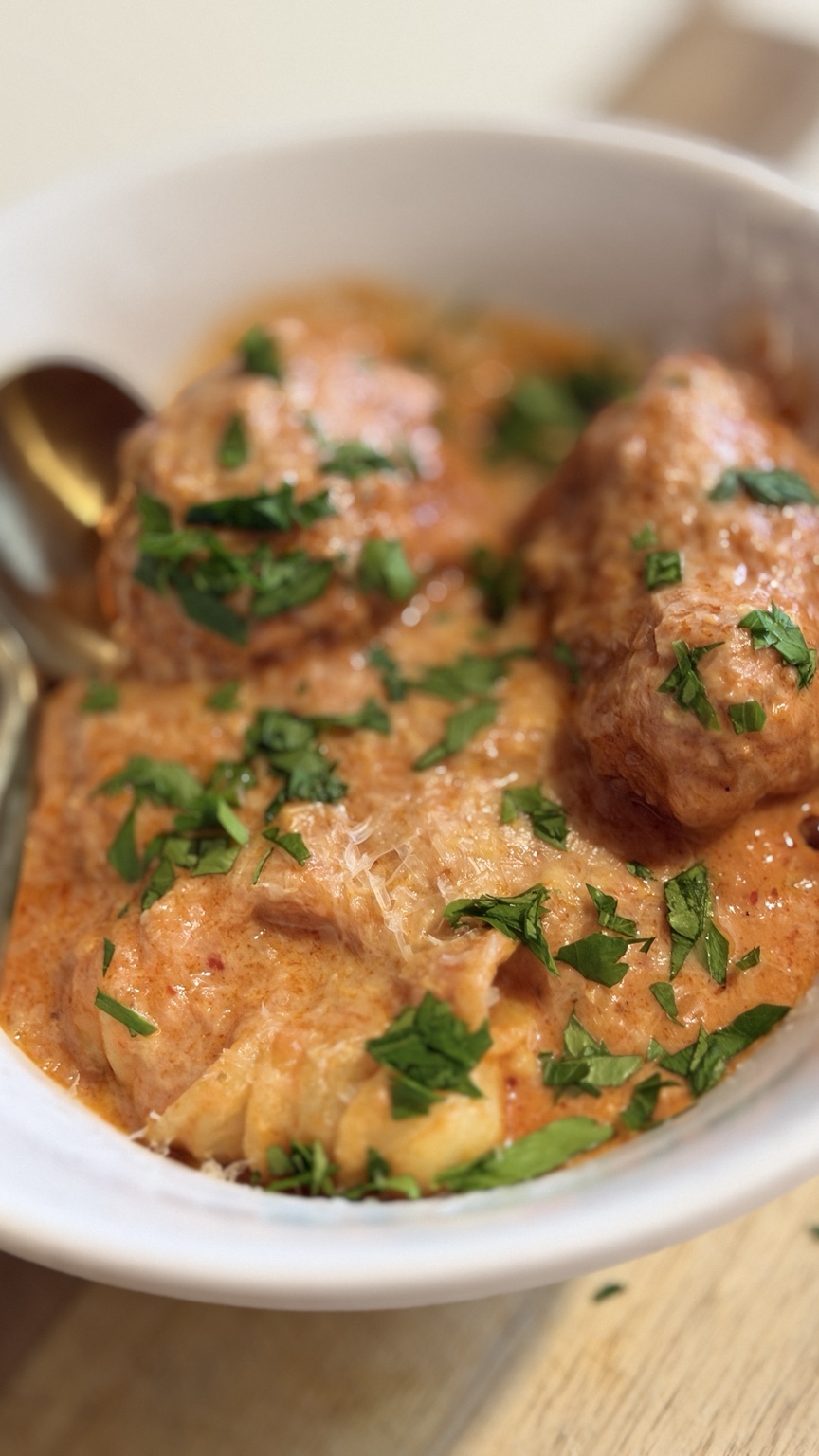 Spicy vodka sauce
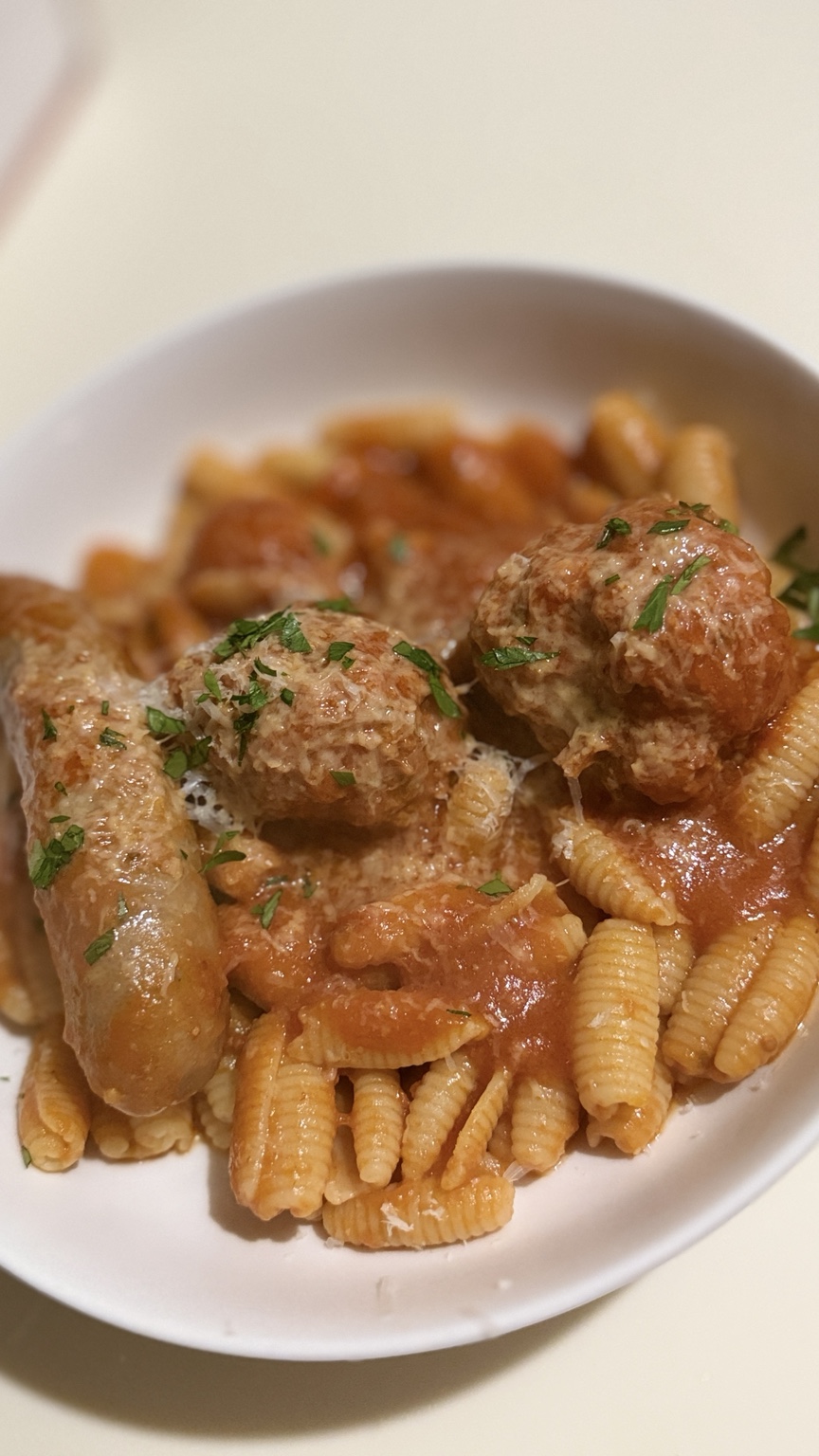 Homemade meatballs & sauce
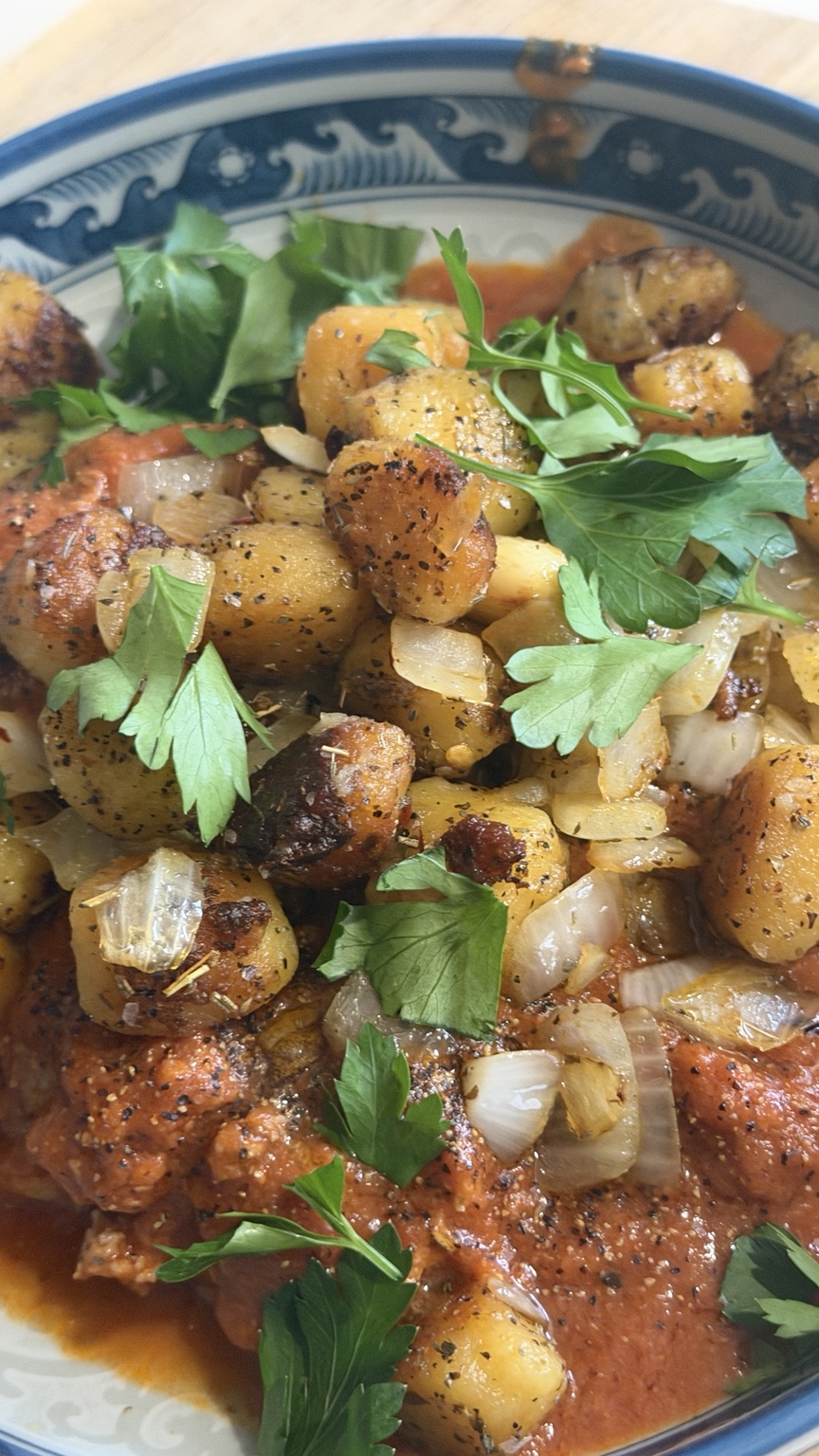 Crispy gnocchi & golden onions
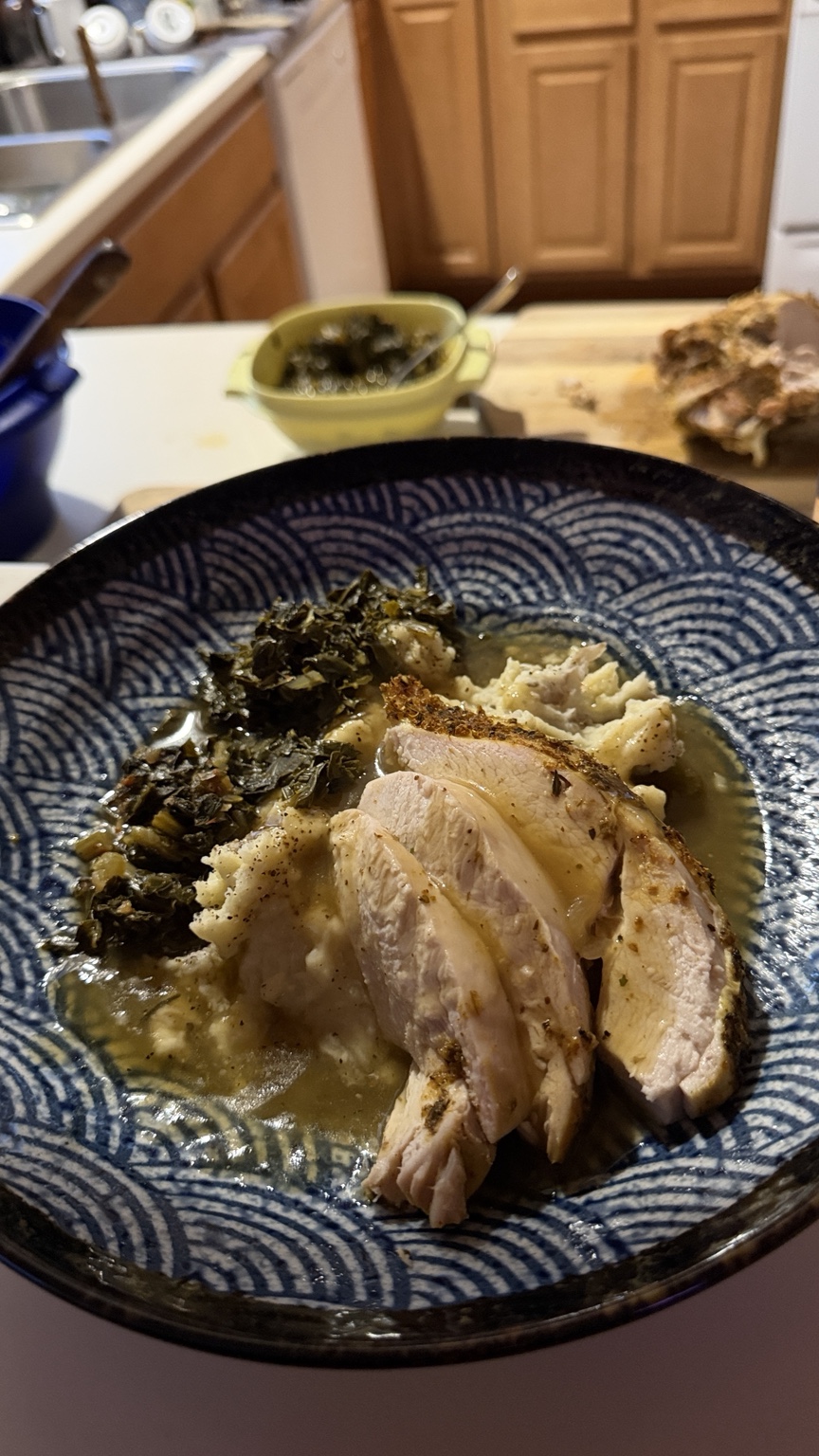 Herb-butter turkey breast & pan gravy
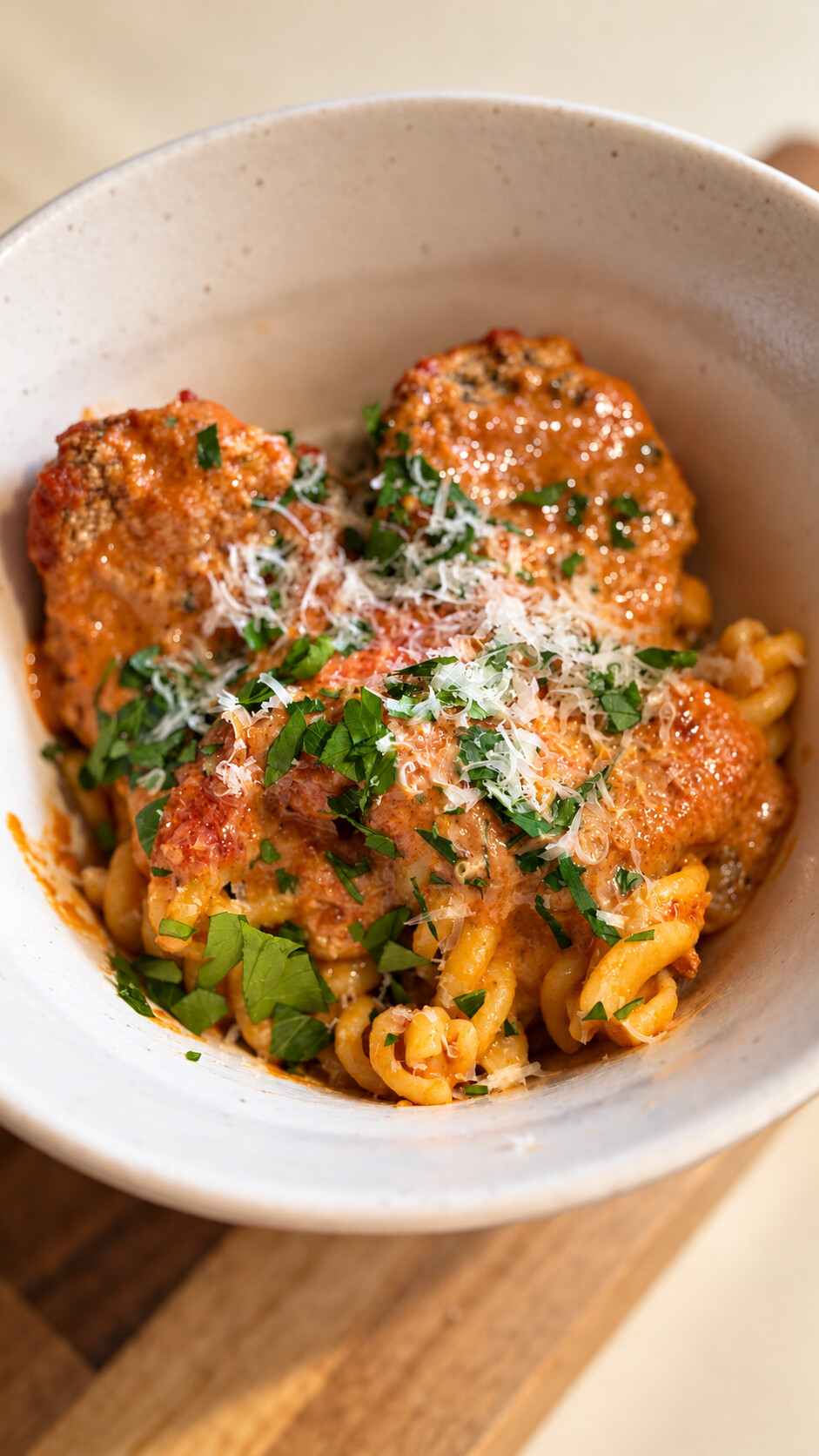 Calabrian chili vodka sauce
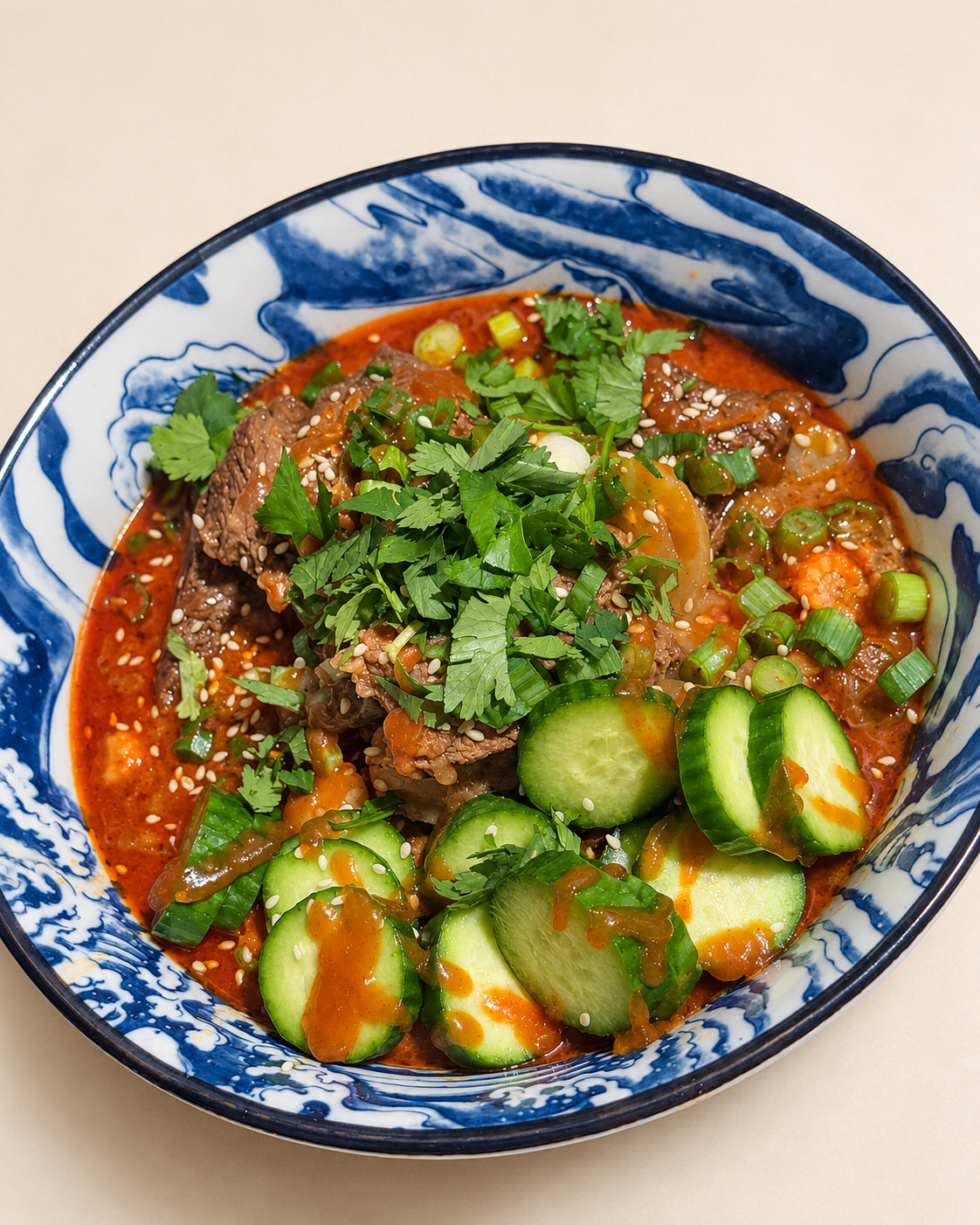 Chuck roast red curry & rice
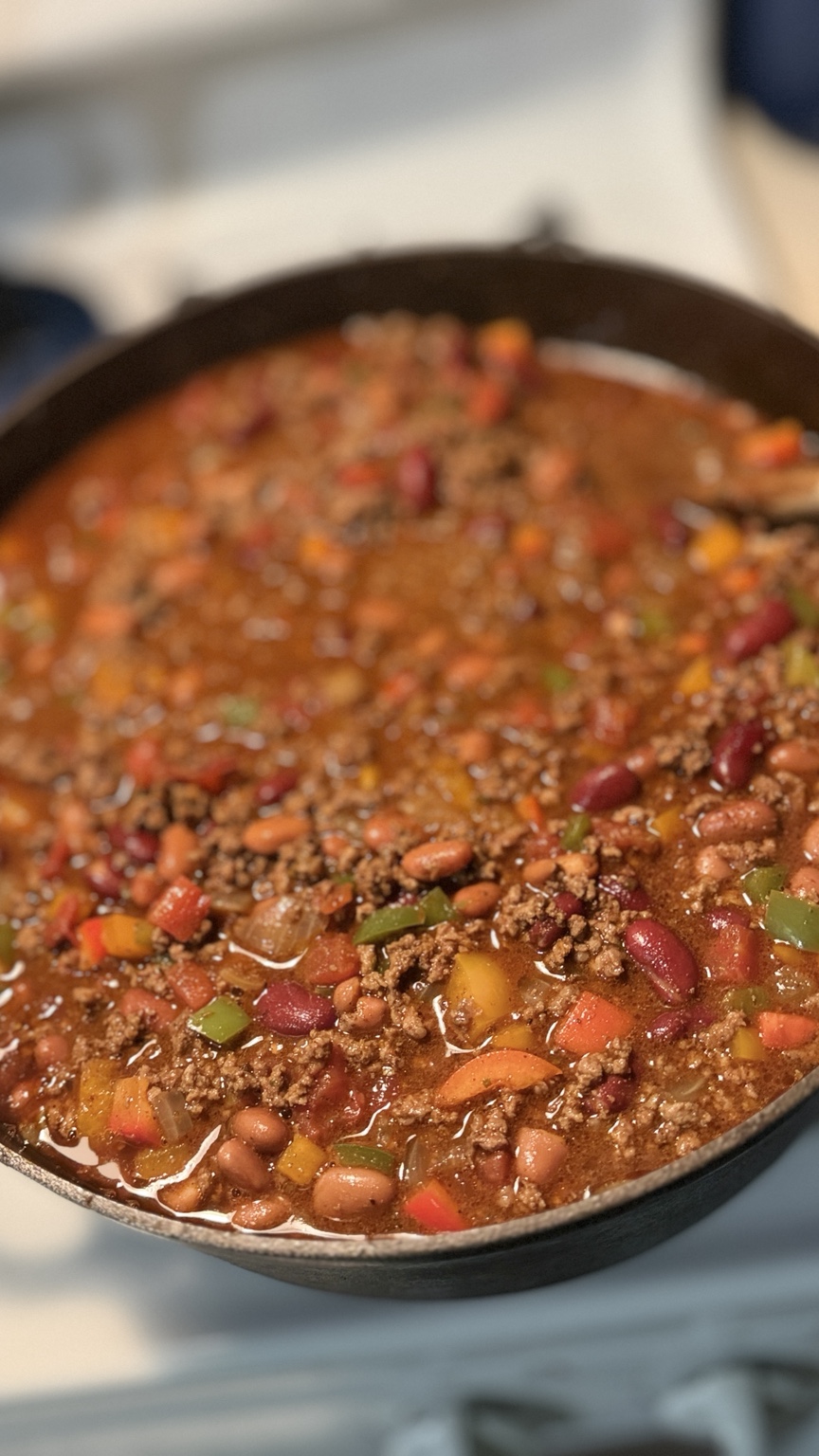 Smoky charred pepper beef chili
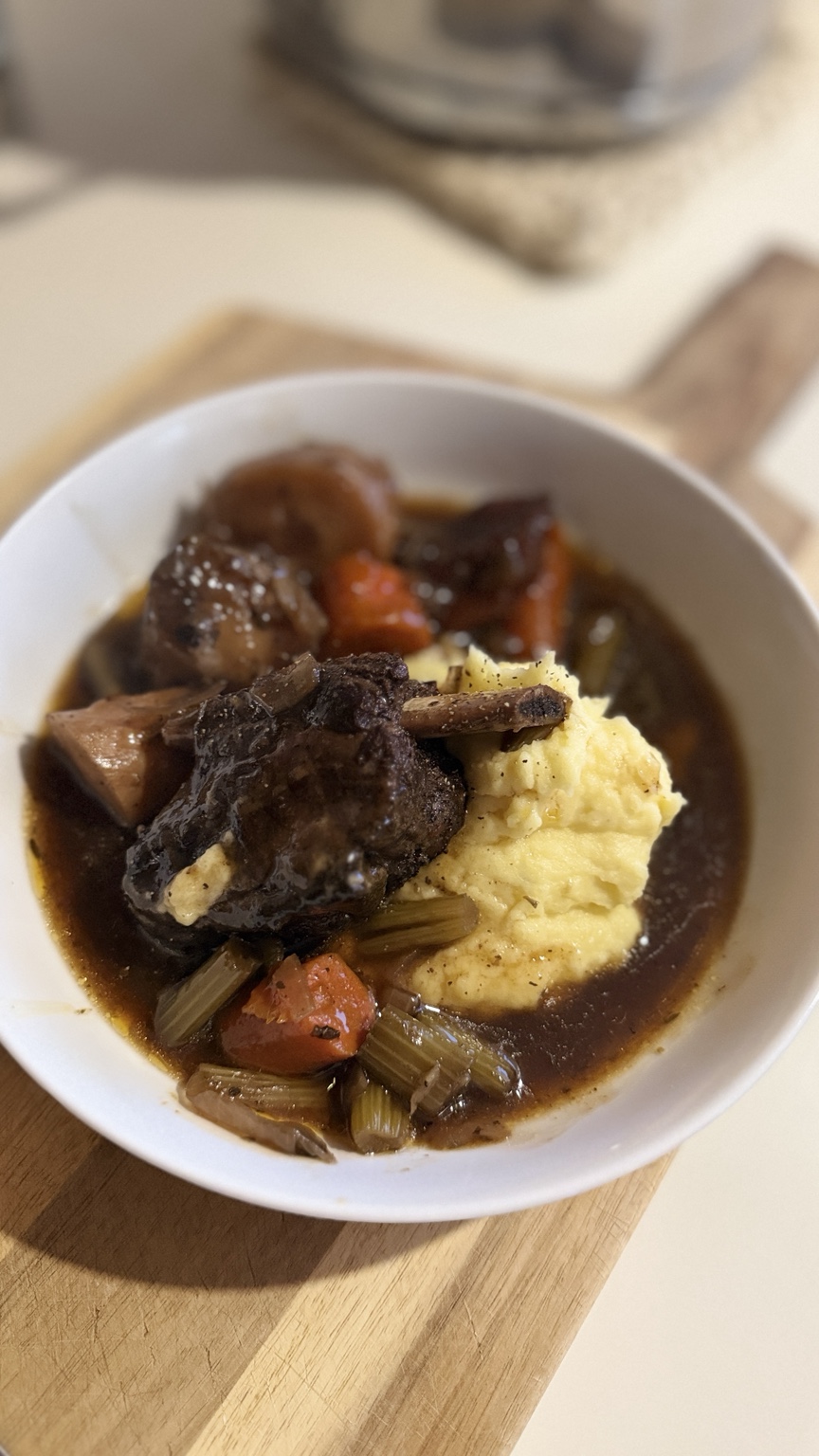 Braised short ribs & mashed potatoes
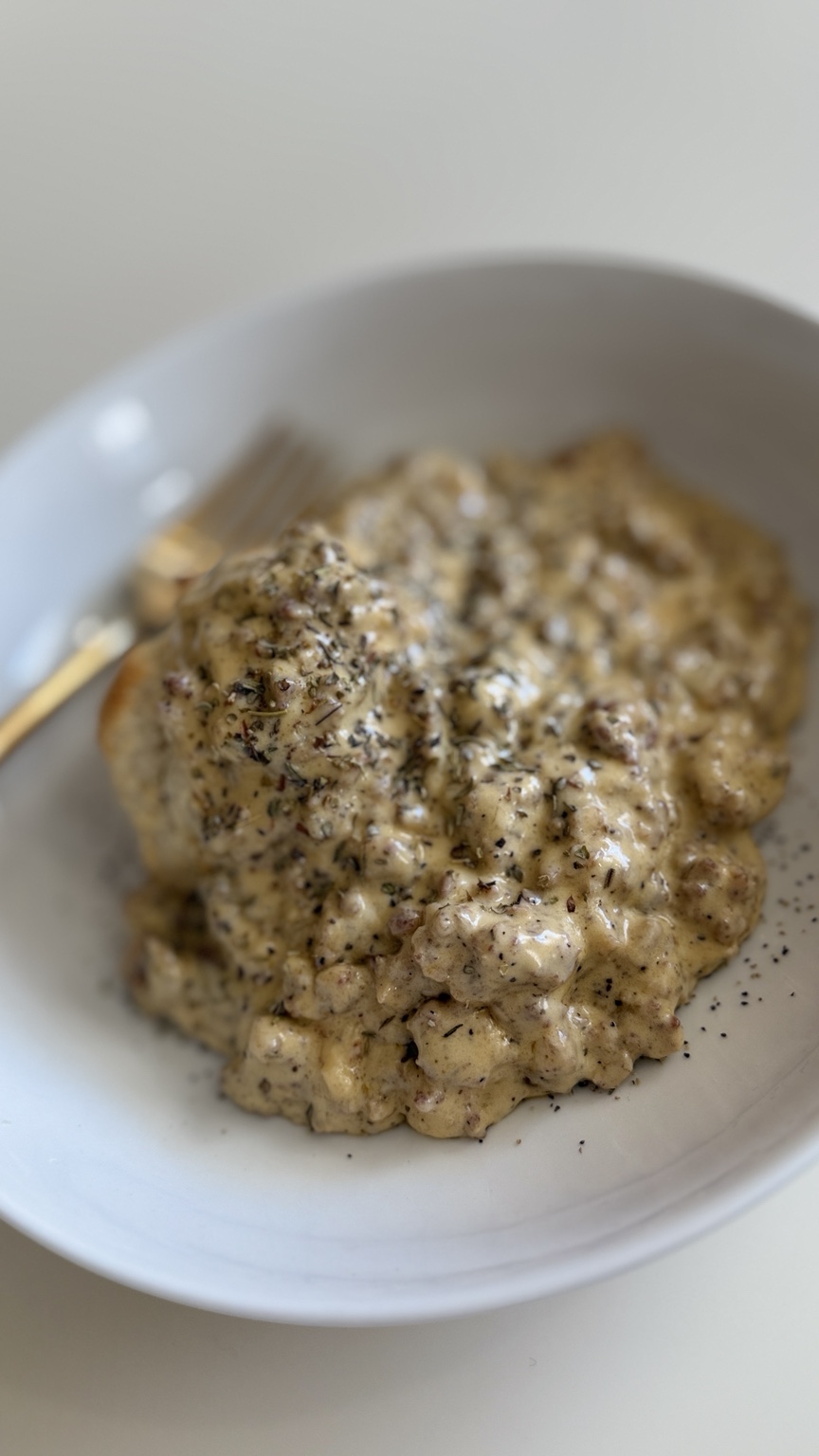 Bisquick biscuits & hot sausage gravy